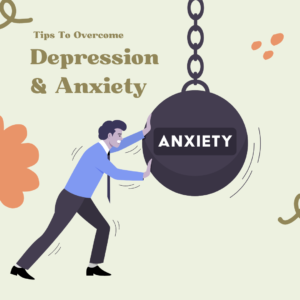
In a fast-paced and often overwhelming world, mental health challenges like depression and anxiety have become increasingly common. These conditions can cast a shadow over every aspect of life, affecting relationships, work, and personal well-being. However, it’s important to remember that there is hope and help available. By understanding these conditions, seeking support, and adopting effective coping strategies, it’s possible to regain control and experience a brighter future.
Understanding Depression and Anxiety
Depression and anxiety are distinct mental health disorders, but they often occur together and share some similarities. Depression is characterized by persistent feelings of sadness, emptiness, and a lack of interest in once-enjoyed activities. On the other hand, anxiety involves excessive worry, nervousness, and fear about future events or situations.
Both conditions can be triggered by a variety of factors, including genetics, brain chemistry, traumatic experiences, and life stressors. They can also lead to physical symptoms like changes in sleep patterns, appetite, and energy levels, making it essential to address them holistically.
Seeking Professional Help for Overcoming the Depression and Anxiety
One of the most crucial steps in overcoming depression and anxiety is seeking professional help. Mental health professionals, such as therapists, psychiatrists, and counselors, are trained to provide guidance and treatment tailored to individual needs. Therapy sessions can help individuals explore their thoughts and feelings in a safe space, uncovering the root causes of their challenges.
In some cases, medication may also be recommended by a psychiatrist to manage symptoms. Medication can help balance brain chemistry and provide relief, especially when combined with therapy. It’s important to consult a medical professional before making any decisions about medication.

Self-Care Strategies for Managing Depression and Anxiety
While professional help is vital, there are also several self-care strategies that individuals can incorporate into their daily lives to manage depression and anxiety:
Establish a Routine: Creating a consistent daily routine can provide a sense of stability and purpose, which can be particularly helpful during times of emotional turmoil.
Prioritize Sleep and Exercise: Regular exercise and quality sleep have been shown to have positive effects on mental health. Engaging in physical activity and maintaining a consistent sleep schedule can improve mood and reduce symptoms.
Practice Mindfulness and Meditation: Mindfulness techniques and meditation can help individuals stay grounded in the present moment, reducing rumination and anxiety about the future.
Engage in Hobbies: Pursuing activities that bring joy and a sense of accomplishment can help counteract the negative feelings associated with depression and anxiety.
Maintain a Healthy Diet: Whatever we eat affects our mental health. So include pulses, cereals, green vegetables, fruits etc. in your diet and take a balanced diet.
Also Read: 10 Simple Tips for a Happy Single Life
Building a Support System
Connecting with others is a fundamental aspect of managing depression and anxiety. Building a support system can provide a sense of belonging and reduce feelings of isolation. Reach out to friends, family members, or support groups to share your thoughts and feelings. However, be mindful of toxic relationships and set healthy boundaries to protect your well-being.
Cognitive Behavioral Techniques
Cognitive behavioral therapy (CBT) is one of most applicable therapy which can identify the negative thought patterns. By reframing irrational beliefs and setting realistic goals, CBT can gradually shift negative thinking and promote healthier cognitive habits.
Stress and Anxiety Management
Stress is a common trigger for both depression and anxiety. Learning relaxation techniques, such as deep breathing and progressive muscle relaxation, can help manage stress levels. Effective time management and avoiding overcommitment can also prevent feelings of overwhelm.
Lifestyle Changes
Simple changes in lifestyle can have a significant impact on mental health. Limiting alcohol and caffeine intake, creating a calming environment at home, engaging in creative outlets, and spending time in nature are all strategies that can contribute to emotional well-being.
Avoiding Isolation
Isolation can exacerbate feelings of depression and anxiety. It’s important to maintain social connections, even if it feels challenging. Communicate your feelings to loved ones, and if isolation persists, consider seeking professional guidance.
Monitoring Progress
Recovery from depression and anxiety is a journey, and it’s essential to monitor your progress. Keep track of your mood and symptom changes, and celebrate even small victories. If certain strategies aren’t proving effective, be open to adjusting your approach.
When to Seek Emergency Help
It’s crucial to recognize signs of a crisis, such as thoughts of self-harm or suicide, and seek emergency help immediately. If you or someone you know is in danger, contact a crisis hotline or medical professional right away. Don’t hesitate to involve trusted individuals to ensure safety.
Conclusion
Overcoming depression and anxiety requires a multi-faceted approach that combines professional help, self-care strategies, and a supportive environment. By taking proactive steps, individuals can regain control over their lives and experience a sense of empowerment. Remember that seeking help is a sign of strength, and with time and dedication, a brighter future is within reach.
Frequently Asked Questions (FAQ) about Depression and Anxiety
1. What is the difference between depression and anxiety?
Depression is characterized by persistent feelings of sadness, emptiness, and a lack of interest in activities. Anxiety, on the other hand, involves excessive worry, fear, and nervousness about future events or situations. While they share some symptoms, they are distinct mental health disorders.
2. When should I seek professional help for depression and anxiety?
If you’re experiencing persistent symptoms that interfere with your daily life, it’s a good idea to seek professional help. Mental health professionals, such as therapists and psychiatrists, can provide guidance, therapy, and, if necessary, medication to manage your symptoms effectively.
3. Can I manage depression and anxiety on my own without professional help?
While self-care strategies can be helpful, seeking professional help is recommended, especially for severe or prolonged symptoms. Mental health professionals have the expertise to provide tailored treatment and support to address the root causes of depression and anxiety.
4. What are some self-care strategies to cope with depression and anxiety?
Self-care strategies include maintaining a routine, getting enough sleep and exercise, practicing mindfulness and meditation, engaging in hobbies, and maintaining a healthy diet. These practices can help improve your mood and overall well-being.
5. How can I support a friend or family member with depression or anxiety?
Supporting a loved one with depression or anxiety involves offering a non-judgmental ear, expressing empathy, and encouraging them to seek professional help. Keep in mind that you’re not responsible for their recovery, but your support can make a positive difference in their journey to healing.