In the tender landscape of childhood, emotions bloom like delicate flowers, vulnerable yet vibrant. Among these emotions, anxiety can cast a shadow, affecting a child’s well-being and development. Recognizing the signs of childhood anxiety and offering compassionate support are essential steps in nurturing young minds. In this article, we explore the nuances of childhood anxiety, empowering parents and caregivers with insights and strategies to guide their children toward emotional resilience and well-being.

Understanding Childhood Anxiety: Signs and Symptoms
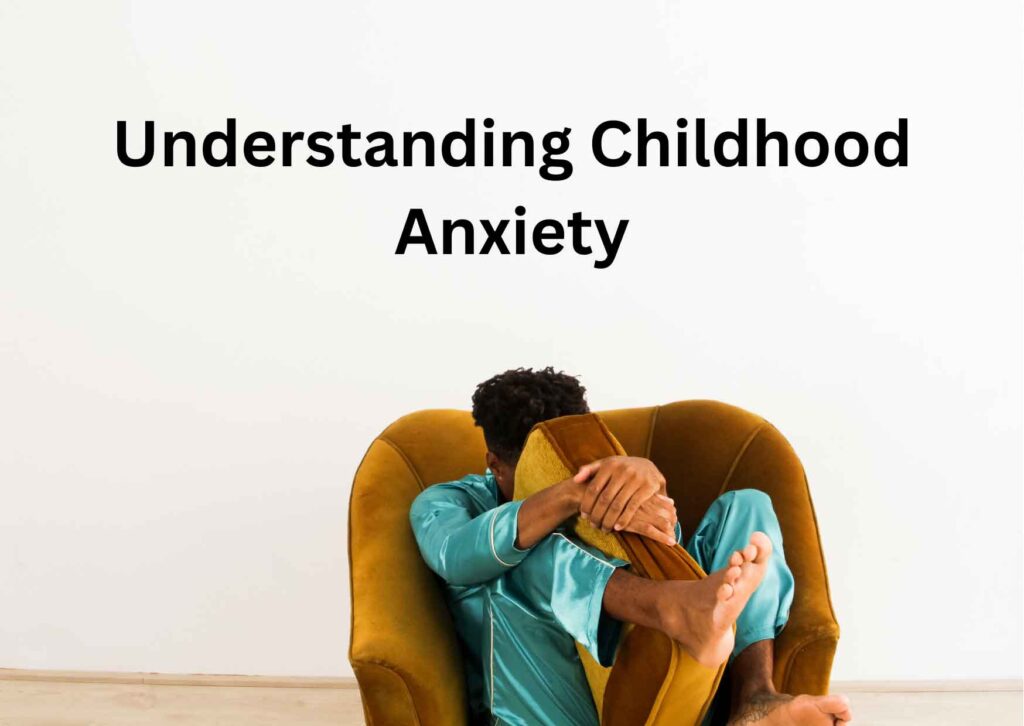
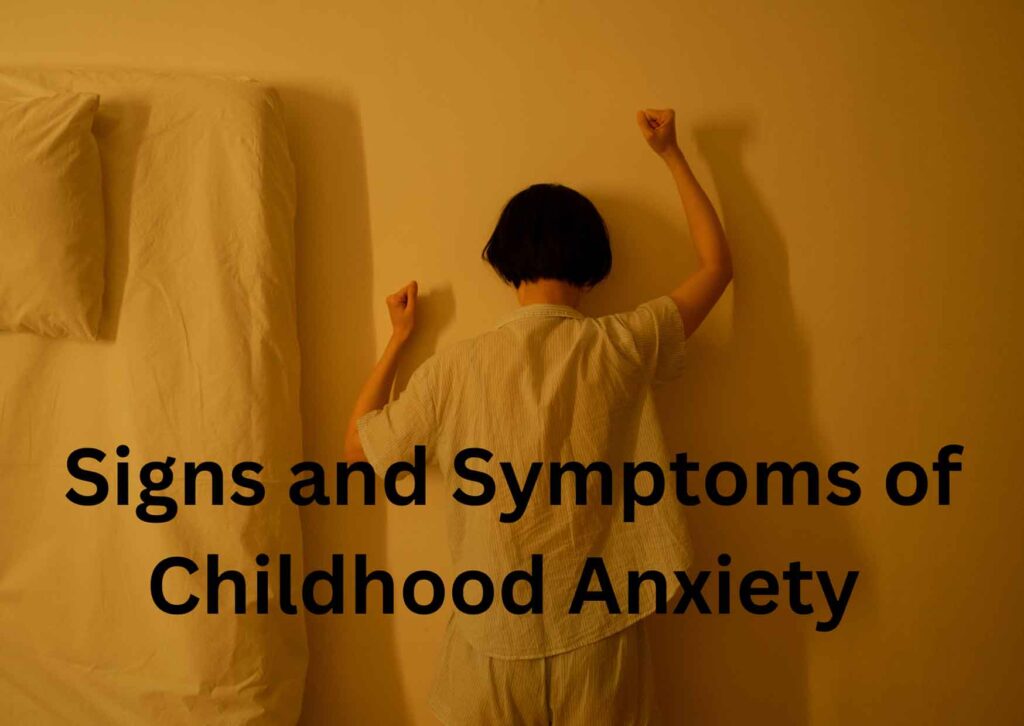
Anxiety is a natural response to stress or perceived threats, but when it becomes excessive or persistent, it can significantly impact a child’s daily life. Children may experience anxiety in various forms, ranging from generalized anxiety disorder (GAD) to specific phobias or separation anxiety. While each child is unique, some common signs of childhood anxiety include:
- Excessive Worrying: Persistent, uncontrollable worry about a wide range of issues, such as school performance, family relationships, or future events.
- Physical Symptoms: Complaints of stomachaches, headaches, muscle tension, or fatigue, often with no underlying medical cause.
- Avoidance Behaviors: Avoidance of certain situations or activities that trigger anxiety, such as social gatherings, school events, or new experiences.
- Sleep Disturbances: Difficulty falling asleep, frequent nighttime awakenings, or nightmares related to worries or fears.
- Changes in Behavior: Increased irritability, restlessness, or difficulty concentrating, which may interfere with academic performance or social interactions.
- Physical Symptoms: Complaints of stomachaches, headaches, muscle tension, or fatigue, often with no underlying medical cause.
Recognizing the Importance of Early Intervention
Early intervention is crucial in addressing childhood anxiety and preventing it from escalating into more severe mental health issues later in life. By recognizing the signs of anxiety and providing a supportive environment, parents and caregivers can help children develop healthy coping mechanisms and resilience. Here are some steps to take if you suspect your child is struggling with anxiety:
- Open Communication: Create a safe and supportive space for your child to express their feelings and concerns without judgment. Promote an environment of open dialogue by genuinely listening to your child and acknowledging their emotions.
- Educate Yourself: Learn about childhood anxiety and its various manifestations to better understand your child’s experiences. Having a deeper understanding empowers you to offer meaningful support and compassionate guidance.
- Seek Professional Guidance: If you suspect your child is experiencing anxiety, consult a pediatrician or mental health professional for evaluation and guidance. They can assess your child’s symptoms and recommend appropriate interventions or therapies.
- Promote Healthy Coping Strategies: Teach your child positive coping mechanisms to manage stress and anxiety, such as deep breathing exercises, mindfulness techniques, or engaging in creative outlets like art or music.
- Establish Predictable Routines: Consistent routines can provide a sense of stability and security for anxious children. Establish regular mealtimes, bedtime rituals, and daily activities to help your child feel grounded and secure.
- Encourage Healthy Lifestyle Habits: Prioritize physical health through regular exercise, nutritious meals, and adequate sleep, as these factors can influence mood and resilience.
Also Read: A perfect parent’s guide: 5 Understanding Infant Sleep Patterns
Treatment Options for Childhood Anxiety
Treatment for childhood anxiety may vary depending on the severity of symptoms and individual needs. In many cases, a combination of therapeutic interventions and lifestyle modifications proves effective in managing anxiety. Some common treatment options include:
- Cognitive-Behavioral Therapy (CBT): CBT is a highly effective therapeutic approach for treating childhood anxiety. It helps children identify and challenge irrational thoughts or fears, develop coping skills, and gradually confront anxiety-provoking situations.
- Exposure Therapy: Exposure therapy involves gradually exposing children to feared situations or objects in a controlled and supportive environment, allowing them to confront their fears and learn that they are manageable.
- Medication: medication might be recommended to ease severe manifestations of anxiety. However, medication is typically used in conjunction with therapy and under the supervision of a qualified healthcare professional.
- Parental Involvement: Parents play a crucial role in supporting their child’s treatment for anxiety. By actively participating in therapy sessions, implementing recommended strategies at home, and providing ongoing encouragement and reassurance, parents can reinforce their child’s progress and resilience.
- School-Based Interventions: Schools can implement various strategies to support anxious children, such as creating a supportive environment, offering counseling services, or implementing accommodations to reduce academic stressors.
Conclusion
Childhood is a time of wonder, exploration, and growth, but it’s also a time of vulnerability and uncertainty. By recognizing the signs of childhood anxiety and offering compassionate support, parents and caregivers can help their children navigate life’s challenges with resilience and confidence. Through open communication, early intervention, and access to appropriate resources, we can nurture young minds and empower them to flourish in a world filled with possibilities.
FAQS
- What are the common signs that my child may be experiencing anxiety?
Recognizing the signs of anxiety in children can be challenging. Look for symptoms such as excessive worrying, physical complaints (e.g., stomachaches or headaches), avoidance behaviors, changes in mood or behavior, and disturbances in sleep patterns. - Is childhood anxiety a passing phase, or does it require professional intervention?While some level of anxiety is normal in childhood, persistent or severe symptoms may indicate the need for professional evaluation and intervention. It’s essential to seek guidance from a pediatrician or mental health professional if you have concerns about your child’s well-being.
- How can I support my child if they’re experiencing anxiety?
Providing a supportive and understanding environment is crucial for helping children cope with anxiety. Encourage open communication, validate their feelings, teach coping skills, establish predictable routines, and seek professional guidance when needed. - What role do parents play in managing childhood anxiety?
Parents play a pivotal role in supporting their child’s emotional well-being. By fostering a nurturing and supportive relationship, actively participating in their child’s treatment, and implementing recommended strategies at home, parents can help alleviate anxiety and promote resilience. - Are there any lifestyle changes or habits that can help reduce childhood anxiety?
Yes, several lifestyle modifications can contribute to managing childhood anxiety effectively. These include promoting healthy sleep habits, regular physical activity, nutritious diet, mindfulness practices, and minimizing exposure to stressors such as excessive screen time or academic pressure. - How can schools support children who experience anxiety?
Schools can play a vital role in supporting anxious children by creating a supportive and inclusive environment, offering counseling services, implementing strategies to reduce academic stress, providing accommodations as needed, and educating staff and students about mental health awareness and resources.