Yoga has been going on for about 5000 years, it originated in India itself. It is a holistic approach to physical, mental, and spiritual well-being that aims to unite the mind, body, and soul. The word “yoga” comes from the Sanskrit word “yuj,” which means to yoke or unite. Through various physical postures, breathing techniques, and meditation practices, yoga seeks to promote relaxation, increase flexibility, improve concentration, and reduce stress. While often associated with the physical practice of beginners yoga poses, or asanas, yoga is much more than just a workout routine. It is a way of life that can lead to greater self-awareness and inner peace.
Benefit of yoga
The benefits of yoga are numerous and well-documented. it can improve flexibility, strength, balance, and posture. It can also reduce stress and anxiety, improve sleep quality, and promote overall physical and mental well-being. Yoga has also been shown to have a positive effect on various health conditions, including hypertension, arthritis, and chronic pain. Additionally, practicing yoga can increase mindfulness and self-awareness, leading to greater emotional stability and a greater sense of inner peace.
Beginner Yoga Poses
For beginners, it is important to start with a beginner yoga poses class or video to learn proper alignment and breathing techniques. It is also important to listen to your body and not push yourself beyond your limits, as this can lead to injury. Start with simple postures and gradually work your way up to more challenging poses as you gain strength and flexibility. Consistency is key in yoga practice, so try to establish a regular routine and stick to it. Finally, don’t be discouraged if you find some poses challenging at first – yoga is a journey and progress comes with time and practice.
Here are ten beginner yoga poses that are commonly practiced:
Mountain pose (Tadasana)
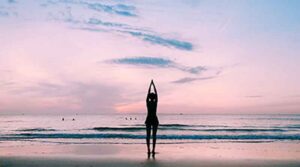
Mountain pose, also known as Tadasana, is a foundational yoga posture that is often used as a starting position for many other standing poses. To practice mountain pose, stand with your feet hip-width apart, grounding your feet firmly into the ground. Lengthen your spine and lift the crown of your head towards the sky, while relaxing your shoulders down and back. Engage your leg muscles and draw your belly button in towards your spine. This pose is great for improving posture, strengthening the legs and feet, and promoting overall body awareness. It is a simple yet powerful pose that can be practiced anytime and anywhere, making it a great addition to any yoga routine.
Downward-facing dog (Adho Mukha Svanasana)
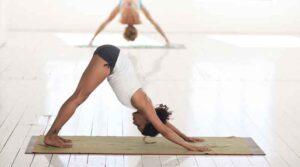
Downward-facing dog, also known as Adho Mukha Svanasana, is a foundational yoga posture that is often used as a transition pose or a resting pose between other poses. To practice downward-facing dog, start on your hands and knees with your hands shoulder-width apart and your knees hip-width apart. Lift your hips up and back, straightening your arms and legs, until your body forms an inverted “V” shape. This pose is great for stretching the hamstrings, calves, and spine, as well as strengthening the arms and shoulders. It is good for mind and relieve stress. It can be practiced on its own or as part of a longer yoga sequence.
Warrior I (Virabhadrasana I)
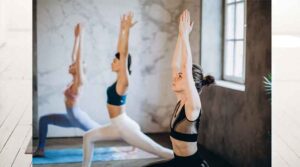
Warrior I, also known as Virabhadrasana I, is a standing yoga pose that strengthens the legs, opens the hips, and stretches the chest and shoulders. To practice Warrior I, start in mountain pose and step your left foot back about 3-4 feet, turning your left foot out at a 45-degree angle. Bend your right knee, bringing it over your ankle and keeping it at a 90-degree angle. Square your hips and lift your arms up overhead, keeping your shoulders relaxed. Gaze up at your hands or straight ahead, depending on your level of comfort. Hold the pose for few breaths, then switch sides. This pose is great for building strength and stability in the legs, while also promoting a sense of focus and determination. It can be modified for beginners by using a wider stance or keeping the back heel lifted.
Warrior II (Virabhadrasana II)
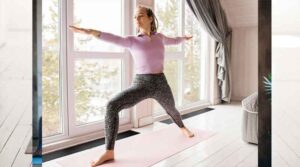
Warrior II, also known as Virabhadrasana II, is a standing yoga pose that builds strength in the legs and hips, while also stretching the inner thighs and opening the chest and shoulders. To practice Warrior II, start in mountain pose and step your left foot back about 3-4 feet, turning your left foot out at a 90-degree angle. Bend your right knee, bringing it over your ankle and keeping it at a 90-degree angle. Stretch your arms out to the sides, keeping them parallel to the ground and in line with your shoulders. Gaze out over your right fingertips. Hold the pose for few second, then switch sides. This pose is great for improving balance and stability, while also promoting a sense of strength and confidence. It can be modified for beginners by using a wider stance or keeping the arms lowered.
Tree pose (Vrikshasana)
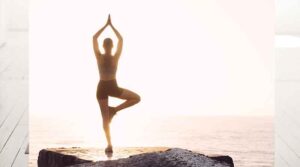
Tree pose, also known as Vrikshasana, is a standing yoga pose that improves balance and stability, while also strengthening the legs and improving concentration. To practice tree pose, stand in mountain pose and shift your weight onto your left foot. Bring your right foot up and place the sole of your foot against your left inner thigh or calf, avoiding placing it on the knee. This pose is great for improving balance, stability, and posture, while also promoting a sense of calm and focus. It can be modified for beginners by using a wall or chair for support or by placing the foot against the ankle instead of the thigh.
Triangle pose (Trikonasana)
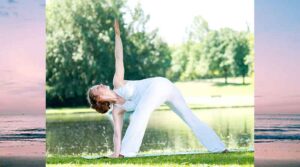
Triangle pose, also known as Trikonasana, is a standing yoga pose that stretches the hips, hamstrings, and spine, while also improving balance and strengthening the legs. To practice triangle pose, stand with your feet about 3-4 feet apart and turn your right foot out at a 90-degree angle. Reach your right hand down towards your right ankle or shin, while lifting your left arm up towards the ceiling. Gaze up towards your left hand or straight ahead, depending on your level of comfort. Keep both legs straight and engage your quadriceps to protect your knees. This pose is great for improving flexibility in the hips and spine, while also promoting a sense of strength and stability in the legs. It can be modified for beginners by using a block or chair for support or by bending the front knee slightly.
Child’s pose (Balasana)
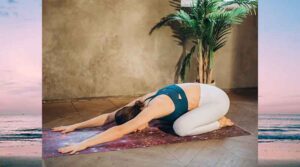
Child’s pose, also known as Balasana, is a restorative yoga posture that is commonly practiced as a resting position in between more challenging asanas. To practice the pose, begin on your hands and knees, then sink your hips back towards your heels while reaching your arms out in front of you. Rest your forehead on the ground and take deep breaths, allowing your body to release tension and relax. Child’s pose is great for stretching the hips, thighs, and ankles, as well as promoting a sense of calm and relaxation in the body and mind. It’s also a great option for individuals who need to take a break during a yoga practice or who experience discomfort in other postures.
Cobra pose (Bhujangasana)
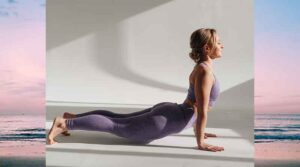
Cobra pose, also known as Bhujangasana, is a backbend yoga pose that strengthens the back muscles and stretches the chest and shoulders. To practice cobra pose, start by lying face down on your mat with your hands placed under your shoulders. Press your palms into the mat and lift your chest off the ground, using the strength of your back muscles. Keep your elbows close to your sides body and your shoulders relaxed away from your ears. Gaze straight ahead or slightly upward, depending on your level of comfort. Hold the pose for several breaths, then release back down to the mat. This pose is great for improving posture and increasing flexibility in the spine, while also promoting a sense of strength and vitality. It can be modified for beginners by keeping the elbows bent or using a blanket under the hips for added support. It’s important to avoid straining the neck or lower back in this pose, so listen to your body and only go as far as feels comfortable for you.
Bridge pose (Setu Bandhasana)
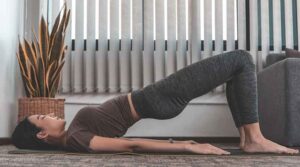
Bridge pose, also known as Setu Bandhasana in Sanskrit, is a yoga posture that targets the muscles in the back, hips, and thighs. Your arms should be resting alongside your body with your palms facing down. On an inhale, press into your feet and lift your hips up towards the sky, creating a straight line from your shoulders to your knees. You can clasp your hands together underneath your back and roll your shoulders underneath you to deepen the stretch. Breathe deeply and hold the pose for several breaths before releasing back down to the ground.
Corpse pose (Savasana)
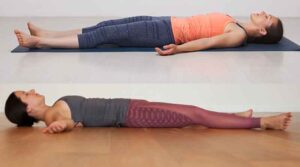
Corpse pose, also known as Savasana, is a relaxation yoga pose that is often used as a final resting pose at the end of a yoga practice. To practice corpse pose, lie on your back with your arms and legs extended, palms facing up. Close your eyes and allow your body to fully relax, releasing any tension or stress in your muscles. Focus on your breath, allowing it to flow naturally in and out of your body. Stay in this pose for several minutes, allowing yourself to fully surrender to the present moment. This pose is great for promoting relaxation and reducing stress and anxiety, while also helping to improve sleep quality and overall well-being. It’s important to avoid falling asleep in this pose, however, as it’s meant to be a conscious relaxation practice. If you have trouble relaxing in this pose, try placing a bolster or blanket under your knees or covering yourself with a blanket for added comfort.
It’s important to learn these poses from a qualified instructor to ensure proper alignment and prevent injury.
Also Read:
Transform Your Workout Experience with Retrofit Gyms: A Guide to Customized Fitness
Discover the Benefits of the Flexitarian Diet: A Plant-Based Approach to Healthy Eating
Working Out Before Bed Good or Bad Exploring the Benefits and Risks of Exercising Before Bedtime
10 Essential Home Self Care Ideas for a Healthier, Happier You